#Islam
The Spiritual Weight Of Dhul Hijjah And The Sincerity Of Sacrifice

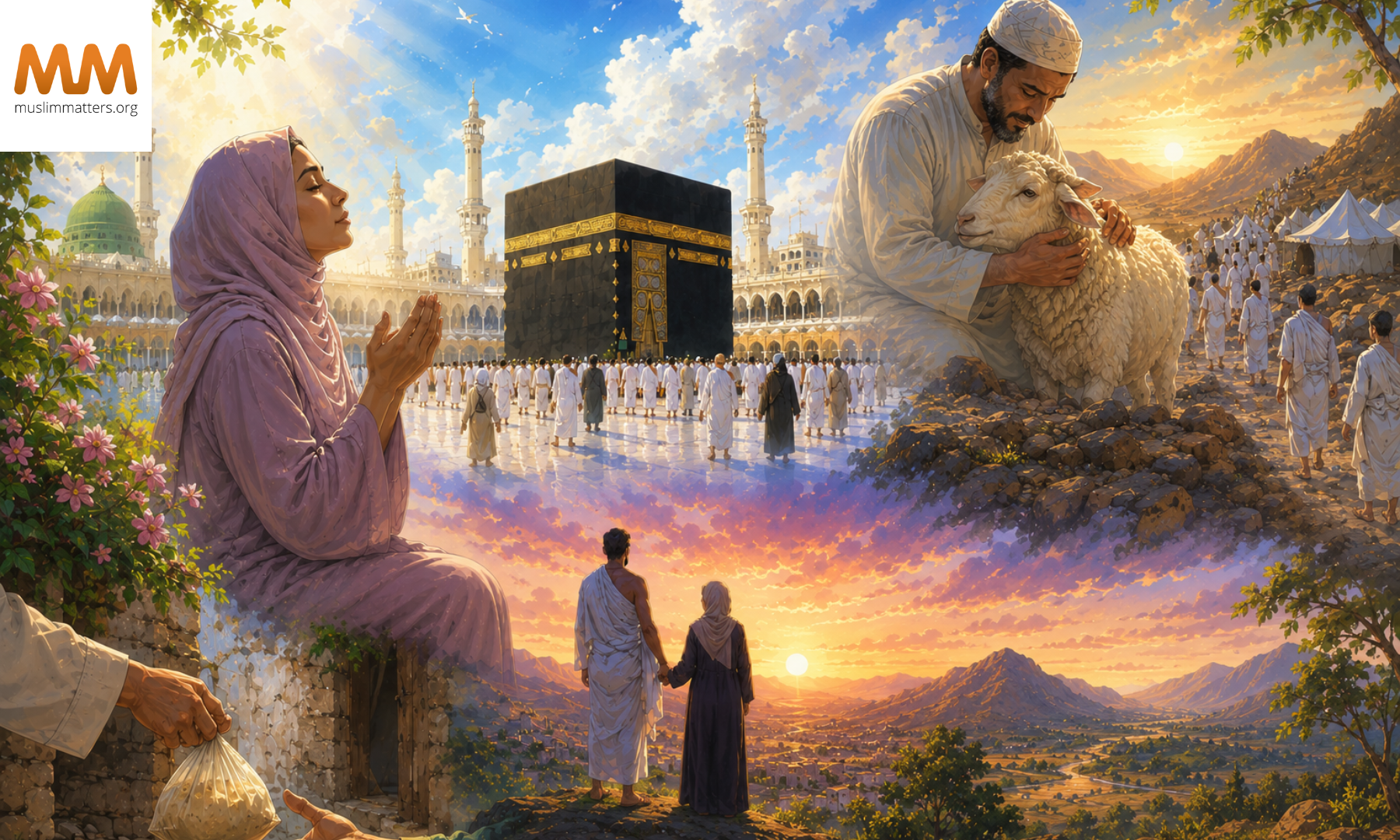
There are moments in the Islamic calendar that do more than remind us of worship. They return us to ourselves. Dhul Hijjah is one of those moments. It comes quietly, yet it carries immense spiritual weight. It asks the believer to pause, to look inward, and to confront questions that are often avoided in the busyness of life. What have I placed before Allah  ? What am I unwilling to surrender? What does my worship reveal about the condition of my heart?
Dhul Hijjah is not merely a season of rituals. It is a season of exposure. It brings to the surface our attachments, distractions, ambitions, hopes, and fears. It reveals not only what we do, but what we love. In that sense, worship becomes a mirror. It reflects the hierarchy of our commitments, the direction of our desires, and the depth of our reliance.
The first ten days of Dhul Hijjah are among the most sacred days of the year:
Keep supporting MuslimMatters for the sake of Allah
Alhamdulillah, we're at over 850 supporters. Help us get to 900 supporters this month. All it takes is a small gift from a reader like you to keep us going, for just $2 / month.
The Prophet (SAW) has taught us the best of deeds are those that done consistently, even if they are small. Click here to support MuslimMatters with a monthly donation of $2 per month. Set it and collect blessings from Allah (swt) for the khayr you're supporting without thinking about it.
“And [by] ten nights” [Surah Al-Fajr 89:2]
The Prophet  taught that righteous deeds in these days are especially beloved to Allah :
He ﷺ said, “No good deeds done on other days are superior to those done on these (first ten days of Dhul Hijja).” Then some companions of the Prophet (ﷺ) said, “Not even Jihad?” He replied, “Not even Jihad, except that of a man who does it by putting himself and his property in danger (for Allah’s sake) and does not return with any of those things.” [Bukhari]
Yet their greatness is not found in quantity alone. It is found in the quality of return. These days invite us back with greater honesty, greater awareness, and a willingness to be changed.
Sacred Time and the Awakening of the Heart
Islam teaches that time is not empty. Certain moments carry weight. Ramadan, Laylat al Qadr, the Day of Arafah, and the days of Dhul Hijjah are not interchangeable with the rest of the year. They are openings.
These openings are not about Allah becoming nearer, but about the human being becoming more receptive. There are moments when the heart is more capable of returning, more ready to soften, more willing to listen.
Ibn Rajab al-Hanbali explained that the first ten days of Dhul Hijjah gather together the major forms of worship1Ibn Rajab, Lata’if al-Ma’arif. This is not incidental. It is formative. The believer is engaged at multiple levels. The body is disciplined through fasting and prayer. Wealth is purified through charity. The tongue is refined through remembrance. The ego is confronted through sacrifice.
Sacred time does not impose pressure. It restores possibility. It interrupts the illusion that we are fixed. It reminds us that return remains open, that forgiveness remains accessible, and that the heart can be revived.
Al Nawawi and other scholars emphasized the importance of recognizing such moments2Al-Nawawi, Riyadh al-Salihin. Not because Allah is distant outside of them, but because human beings often are.
Prophet Ibrahim  and the Meaning of Surrender
At the center of Dhul Hijjah stands Prophet Ibrahim, peace be upon him. His life is not simply remembered. It is revisited as a model of surrender.
The Qur’an presents his response with clarity. When commanded to submit, he submits:
“When his Lord said to him, ‘Submit’, he said, ‘I have submitted [in Islam] to the Lord of the worlds.” [Surah Al-Baqarah, 2:131]
That submission is not abstract. It is lived through trials that reach into the core of human attachment. He leaves Hajar and Ismail in a barren valley (Surah Ibrahim; 14:37). He stands alone against the falsehood of his people. He prepares to sacrifice his son (Surah As-Saffat; 102–107).
Each moment confronts something fundamental. Security. Belonging. Love. Ibrahim  is not tested through what is insignificant. He is tested through what is most difficult to release.
Al Tabari and Ibn Kathir emphasize that these trials were not punishments, but elevations3Al-Tabari, Tafsir; Ibn Kathir, Tafsir. Faith is not established by what we claim. It is revealed by what we are willing to surrender.
The question is not historical. It is immediate. Where is my point of surrender? What am I protecting at the expense of trust in Allah ? What am I holding onto that I have not placed beneath Him?
Sacrifice and the Reordering of Love
Eid al Adha is often understood through the act of sacrifice, yet the Qur’an redirects the focus inward. Neither the flesh nor the blood reaches Allah . What reaches Him is taqwa.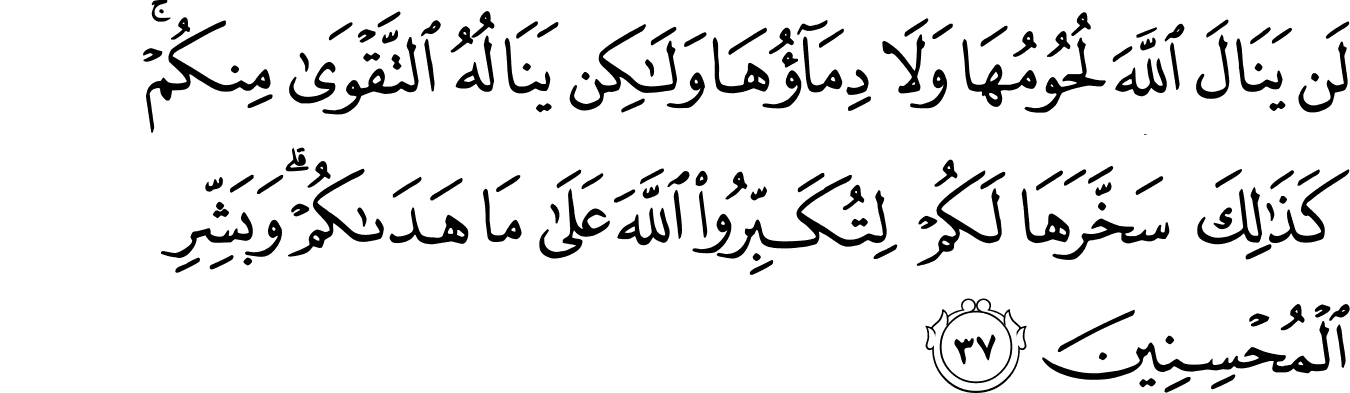
“Their meat will not reach Allah, nor will their blood, but what reaches Him is piety from you. Thus have We subjected them to you that you may glorify Allah for that [to] which He has guided you; and give good tidings to the doers of good.” [Surah Al-Hajj; 22:37]
This reframes everything. The act is not evaluated in isolation. It is understood through what it reveals.
Al Qurtubi explains that this verse dismantles the idea that worship can be reduced to form4Al-Qurtubi, Tafsir. The outward act matters, but its meaning is determined by the state of the heart.
The Prophet said that no action on the Day of Sacrifice is more beloved to Allah than the shedding of blood (Ibn Majah, 3126). Yet even this act derives its value from what it represents.
At its core, sacrifice is the reordering of love. It places every attachment in its proper place. It affirms that nothing created can occupy what belongs to the Creator.
Imam al Ghazali’s reflections are instructive here5Al-Ghazali, Ihya Ulum al-Din. Acts of worship are forms, but their reality lies in what they produce within the soul. If sacrifice does not affect the self, then something essential has been missed.
Hajj as Embodied Theology
Hajj is theology enacted. It is belief carried by the body. It is not only observed. It is lived.
“And proclaim to the people the Hajj [pilgrimage]; they will come to you on foot and on every lean camel; they will come from every distant pass – “ [Surah Al-Hajj; 22:27]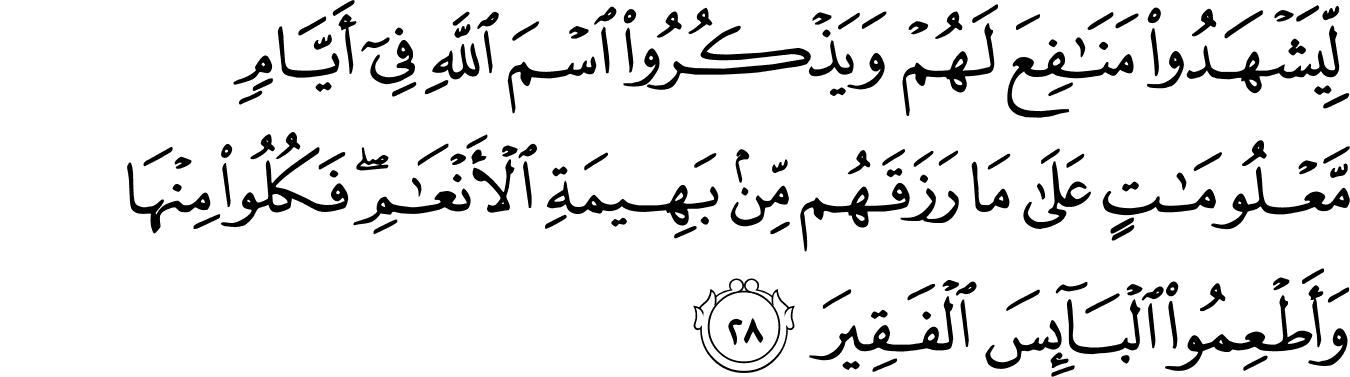
“That they may witness benefits for themselves and mention the name of Allah on known days over what He has provided for them of [sacrificial] animals. So eat of them and feed the miserable and poor.” [Surah Al-Hajj; 22:28]
Ibn al Qayyim described Hajj as a journey of the heart before it is a journey of the body6Ibn al-Qayyim, Zad al-Ma’ad. This becomes clear only through experience.
In 2006, I arrived thinking I understood what Hajj required. I had studied the rituals. I knew the sequence. I believed I was prepared. What I encountered was not simply a series of acts. It was a dismantling.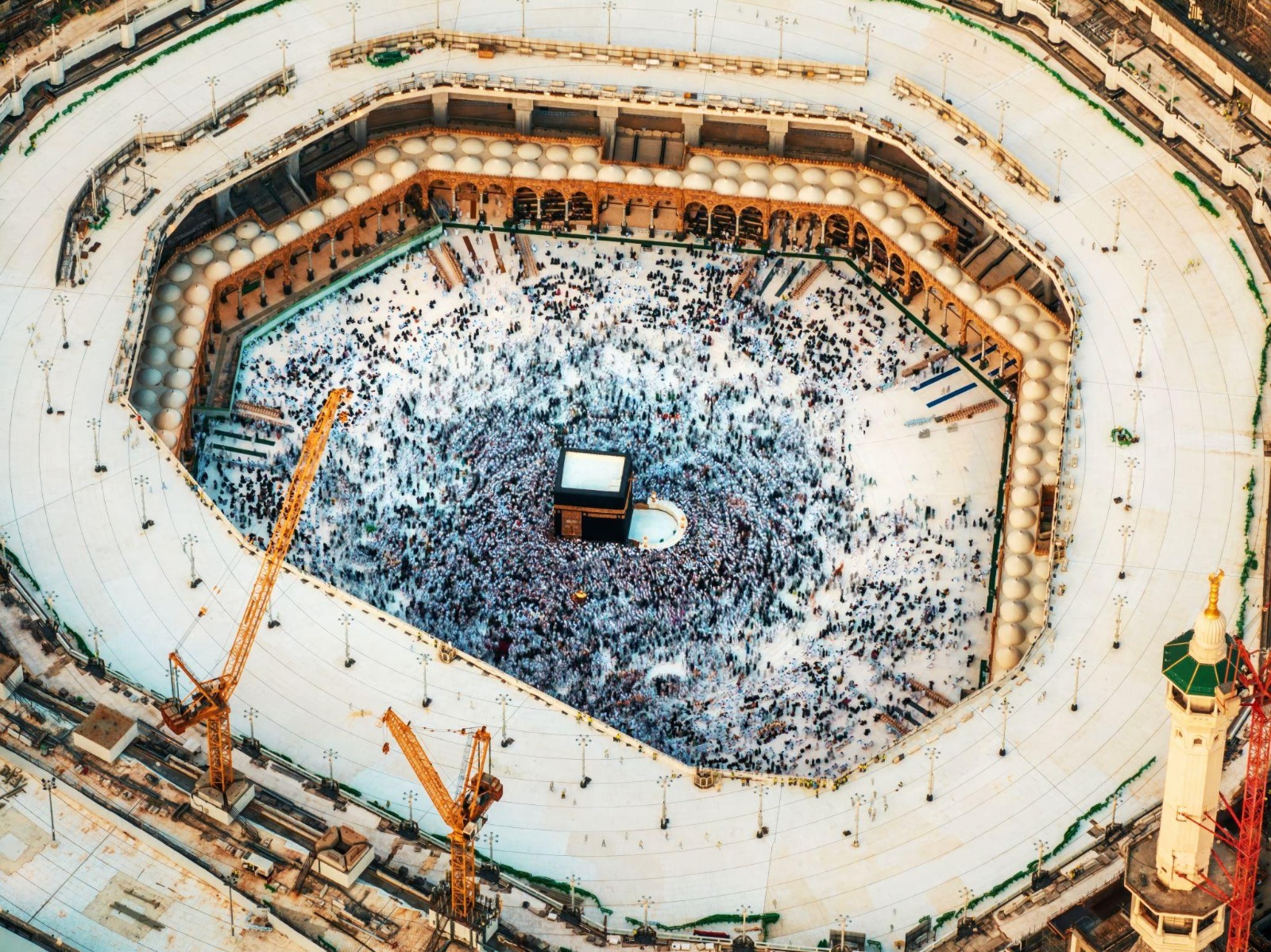
Standing before the Kaabah, something shifted that I had not anticipated. There was no dramatic moment outwardly. Yet inwardly, there was a quiet collapse. The sense that I was in control of my life, that I was managing myself, began to loosen.
As I moved in tawaf, repetition stripped away distraction. The mind quieted. The heart moved in a way that resisted analysis. I was no longer thinking about what I needed to say. I was becoming aware of what I had been carrying. There was a realization that I had been holding onto myself far too tightly, and that I was never meant to.
There were tears, but they were not forced. They emerged without effort. Not as an expression I initiated, but as a response that overtook me. It was not sadness. It was recognition. A recognition of dependence that had always been true, but not fully acknowledged.
Ihram and the Stripping Away of False Identity
Ihram removes distinction. It strips away the markers that define status, profession, and identity.
The Prophet said that all are from Adam, and Adam was from dust (Tirmidhi). This is not only a statement of origin. It is a reorientation of value.
Standing in ihram among thousands, dressed the same, the usual categories dissolved. There was no title. No recognition. No separation. Only the human being before Allah .
Al Ghazali interprets ihram as a reminder of death and resurrection7Al-Ghazali, Ihya Ulum al-Din. The garments resemble the shroud. The state resembles exposure.
During that Hajj, this was no longer theoretical. The identity I had constructed, the one I carried into that space, felt fragile. Yet in that fragility, there was relief. The need to maintain it weakened. What remained was simpler, and more honest.
Hajar and the Courage to Keep Moving
The story of Hajar, peace be upon her, is one of trust joined with action. Left in a barren valley, her response was not passivity.
Her movement between Safa and Marwah is preserved because it captures a condition that extends beyond her moment. Effort continues even when the outcome is unknown.
Ibn Kathir notes that Zamzam emerged from where she did not expect8Ibn Kathir, Tafsir. Relief did not follow her assumptions.
Walking between Safa and Marwah, her story took on a different weight. It was no longer distant. It was embodied. The movement itself became a form of reflection. We act, but we do not control the outcome. We strive, but we do not determine where relief appears.
Arafah and the Honesty of Standing Before Allah
The day of Arafah is the heart of Hajj. The Prophet said that Hajj is Arafah (Tirmidhi, 889). It is defined not by movement, but by standing.
It was on this day that the completion of the religion was declared. For the individual, however, it is not a moment of completion. It is a moment of exposure.
Standing there in 2006, the structure I had carried began to fall away. There was no sense of performance left. The language of supplication was no longer formal. It was immediate.
I raised my hands, and what emerged was not composed. It was honest. There was no effort to appear as I thought I should. There was only the awareness of who I was before Allah .
The tears came again, but differently. Not from reflection, but from presence. It felt as though I had finally stopped holding myself together long enough to be seen as I was.
For those not performing Hajj, fasting on the Day of Arafah expiates the sins of the previous and coming year (Sahih Muslim, 1162). Yet its deeper meaning lies in what it represents. A standing that is unguarded. A return that is unfiltered.
Taqwa as the True Offering
The central offering of Dhul Hijjah is taqwa. It is an awareness that shapes how one sees and acts.
The Qur’an reminds us that the best provision is taqwa.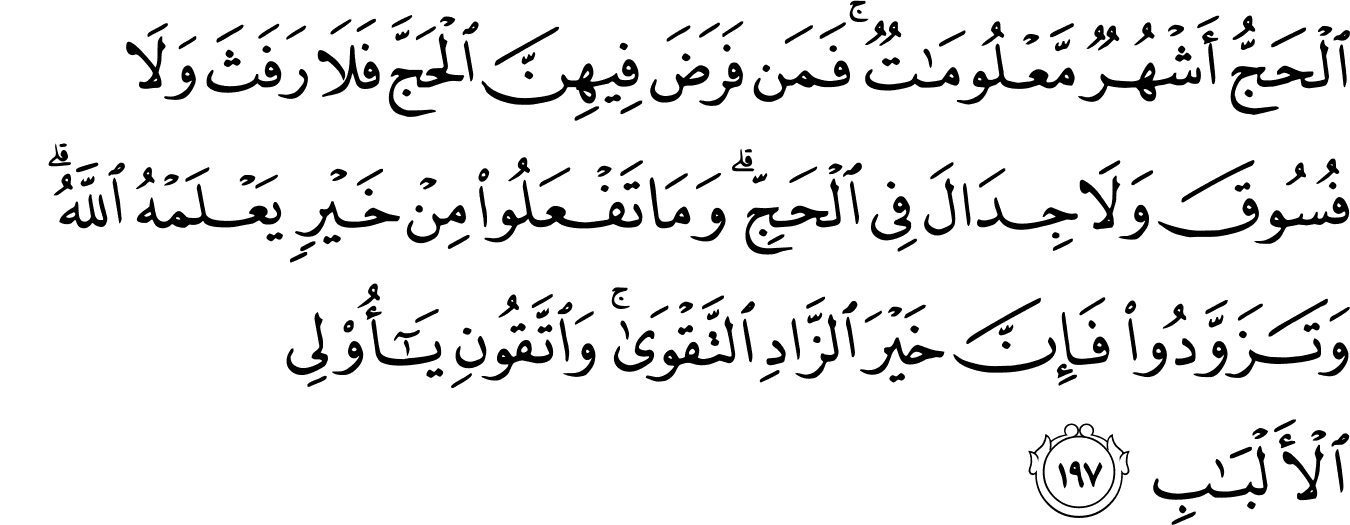
“Hajj is [during] well-known months, so whoever has made Hajj obligatory upon himself therein [by entering the state of ihram], there is [to be for him] no sexual relations and no disobedience and no disputing during Hajj. And whatever good you do – Allah knows it. And take provisions, but indeed, the best provision is fear of Allah . And fear Me, O you of understanding.” [Surah Al-Baqarah;2:197]
Ibn Taymiyyah defines it as acting in obedience with awareness and refraining from disobedience with awareness9(Ibn Taymiyyah, Majmu’ al-Fatawa).
This awareness is not theoretical. It is cultivated through practice, through repetition, through moments that require restraint and honesty.
Dhul Hijjah gathers these moments together. Each act addresses a different dimension of the self, gradually reorienting it.
Conclusion
Dhul Hijjah will pass, as all seasons do. The rituals will be completed. Life will resume.
What remains is the question of what has changed.
Hajj in 2006 did not leave me with perfection. It did not resolve every tension. What it left was clearer than that. A deeper awareness of my dependence on Allah . A recognition that I am not sustained by my own effort.
Dhul Hijjah returns each year with the same invitation. Not only to act, but to examine. Not only to complete, but to be transformed.
What must I surrender so that I may draw nearer to Allah ?
Related:
– What Is Your Role In The Story Of Islam? : On Hajj, Eid, And Surat Ibrahim
– The Things He Would Say – [Part 1] – The Call to Hajj
Keep supporting MuslimMatters for the sake of Allah
Alhamdulillah, we're at over 850 supporters. Help us get to 900 supporters this month. All it takes is a small gift from a reader like you to keep us going, for just $2 / month.
The Prophet (SAW) has taught us the best of deeds are those that done consistently, even if they are small. Click here to support MuslimMatters with a monthly donation of $2 per month. Set it and collect blessings from Allah (swt) for the khayr you're supporting without thinking about it.



Far Away [Part 27] – The Prince’s Ring

[Podcast] Faith, Motherhood, and the Call to Gaza | Dr. Samaiya Mushtaq

Long War Without End: A Quarter-Century Since The War On Terror

[Podcast] 50k Mahr, Hiding Money, & Who Pays for the Wedding? | AML Finance

What The Makkah Agreement Is Missing
Far Away [Part 26] – Shaytan Is A Liar
Far Away [Part 25] – To Save A Prince

When The Bed Walked Away [Part 2] – Primordial Muck
When The Bed Walked Away [Part 1]

The Woman Who Was Heard Above the Seven Heavens

The Best Actions for Eid al-Adha [Imam Dawud Walid]

Coming Full Circle: Who Are You Now? | Night 30 with the Qur’an

Running Away From Who We Are | Night 29 with the Qur’an

Building From the Ground Up: Week 4 Recap | Night 28 with the Qur’an