#Islam
Starting Shaban, Train Yourself To Head Into Ramadan Without Malice

In the Name of Allah, the Gracious, the Merciful
As Ramadan approaches, it is imperative for Muslims to purify their hearts of malice (ḥiqd). At its least harmful, malice diminishes one’s rank in the sight of Allah  and obstructs a believer from performing voluntary acts of goodness. At its most severe, malice becomes a deadly spiritual disease associated with idolatry, unbelief, and even the practices of black magic.
The Messenger of Allah ﷺ instructed us to approach Ramadan with hearts free of malice, as indicated by his statement:
“On the middle night of Sha’ban, Allah Almighty looks down upon His creation, and He forgives the believers, but He abandons the people of grudges and malice to their malice.”1Ibn Abī ’Āṣim, Al-Sunnah li-Ibn Abī ’Āṣim (al-Maktab al-Islāmī, 1980), 1:233 #511; declared authentic (ṣaḥīḥ) according to Shaykh al-Albānī in the comments. Full text at: www.abuaminaelias.com/dailyhadithonline/2025/09/03/allah-forgives-except-hiqd/ In another narration, the Prophet ﷺ said, “Allah looks down at His creation on the middle night of Sha’ban, and He forgives all of His creatures, except for an idolater or one who harbors hostility (mushāḥin).2Ibn Ḥibbān, Al-Iḥsān fī Taqrīb Ṣaḥīḥ Ibn Ḥibbān (Muʼassasat al-Risālah, 1988), 12:481 #5665; declared authentic due to external evidence (ṣaḥīḥ li ghayrihi) by Shaykh al-Arnā’ūṭ in the comments. Full text at: www.abuaminaelias.com/dailyhadithonline/2019/06/16/forgives-shaban-except-mushrik/” Imam al-Ṣan‘ānī explained that ‘one who harbors hostility’ refers to a person who carries malice in the heart.3Muḥammad ibn Ismā’īl al-Ṣanʻānī, Al-Tanwīr Sharḥ al-Jāmi’ al-Ṣaghīr (Maktabat Dār al-Salām, 2011), 3:344.
Keep supporting MuslimMatters for the sake of Allah
Alhamdulillah, we're at over 850 supporters. Help us get to 900 supporters this month. All it takes is a small gift from a reader like you to keep us going, for just $2 / month.
The Prophet (SAW) has taught us the best of deeds are those that done consistently, even if they are small. Click here to support MuslimMatters with a monthly donation of $2 per month. Set it and collect blessings from Allah (swt) for the khayr you're supporting without thinking about it.
In a related narration, the Messenger of Allah ﷺ issued a grave warning:
“If not one of three evil traits is within someone, then Allah will forgive whatever else as He wills: one who dies without associating any partners with Allah, one who does not follow the way of black magic, and one who does not harbor malice against his brother.”4 Al-Ṭabarānī, Al-Mu’jam al-Kabīr (Maktabat Ibn Taymīyah, Dār al-Ṣumayʻī, 1983), 12:243 #13004; declared fair (ḥasan) by Imam al-Munāwī in Fayḍ Al-Qadīr: Sharḥ al-Jāmiʻ al-Ṣaghīr (al-Maktabah al-Tijārīyah al-Kubrá, 1938), 3:289. Full text at: www.abuaminaelias.com/dailyhadithonline/2025/08/28/three-allah-does-not-forgive/
In other words, a Muslim who deliberately nurtures malice against his brothers or sisters places himself in the company of idolaters and those who seek aid from devils. Malice is so heinous that Allah may withhold forgiveness from one who persists in it. As Imam al-Munāwī observed, “Malice is an evil portent. Its condemnation has been related by the Book and the Sunnah countless times.”5Al-Munāwī, Fayḍ al-Qadīr, 3:289.
Clearly, the Messenger of Allah ﷺ intended for believers to purify themselves of malice by the middle of Sha‘bān—at least two weeks before the arrival of Ramadan. To that end, we must develop a proper understanding of what malice is, how it undermines fasting, and the means by which it is treated, lest our Ramadan be corrupted from within before it even begins.
Malice: The Root of Evil
Imam Ibn Ḥibbān, who compiled the sayings of the Prophet ﷺ in written form, wrote plainly, “Malice is the root of evil. Whoever harbors evil in his heart will have a bitter plant grow, the taste of which is rage and the fruit of which is regret.6Ibn Ḥibbān, Rawḍat al-’Uqalā’ wa Nuz’hat al-Fuḍalā’ (Dār al-Kutub al-ʻIlmīyah, 1975), 1:134.” There is no acceptable degree of malice, for the scholars have described it as “one of the mothers of sin.7Al-Ṣanʻānī, Al-Tanwīr Sharḥ al-Jāmi’ al-Ṣaghīr, 5:140.” Unlike anger—which is often dangerous but occasionally righteous—malice is never praiseworthy. It is a weed in the garden of the heart and must be uprooted.
Shaykh Ḥasan al-Fayyūmī, one of the Hadith masters of the 9th century Hijrah, defined malice as “to internalize enmity and hatred.8Ḥasan ibn ʿAlī al-Fayyūmī, Fatḥ al-Qarīb al-Mujīb ʻalá al-Targhīb wal-Tarhīb (Maktabat Dār al-Salām, 2018), 11:266,” He explained that it is often described as the desire for revenge, and that its true nature emerges when rage cannot be released—because one is unable to retaliate in the moment—causing it to turn inward, fester, and ultimately transform into malice. In this sense, malice is unresolved anger: a smoldering fury that is retained and nurtured until it erupts in acts of vengeance. The desire for revenge and the pleasure of justified rage are beautified by Satan, yet in reality, they are a silent poison that corrupts the believer from within, masking the virtues of character and even sabotaging one’s fasting in Ramadan.
Malice is not a single spiritual disease, either, but rather a constellation of related sins that take root in the heart. Imam Ibn Ḥajar al-Haytamī listed unjust anger, envy, and malice as a single disease among the major sins.9Ibn Ḥajar al-Haytamī, Al-Zawājir ’an Iqtirāf al-Kabā’ir (Dār al-Fikr, 1987), 1:83. Further examination of the Hadith commentaries in which malice is mentioned shows that scholars consistently associate it with envy (ḥasad), arrogance (kibr), rancor (ghill), malevolence (ghish), hypocrisy (nifāq), rage (ghayẓ), and lingering grudges (ḍaghāʾin).10For the full length study on malice, see the paper, “Malice in Islam: The Root of Evil in the Heart” by Abu Amina Elias (Faith in Allah, August 29, 2025): www.abuaminaelias.com/malice-in-islam-root-of-evil Indeed, it could be said that ‘all roads lead to malice,’ for it is the central node through which Satan’s whisperings assail the heart. Therefore, purifying the heart of malice disarms the Devil of his most potent of weapons.
Fasting, when observed in accordance with both its outward rules and inward realities, is among the most effective means of treating malice in the heart. The relationship between the two is reciprocal: fasting purifies malice, while malice corrupts fasting. For this reason, the Messenger of Allah ﷺ urged believers to rid themselves of malice at least two weeks before the onset of Ramadan.
Fasting: A Treatment for Malice
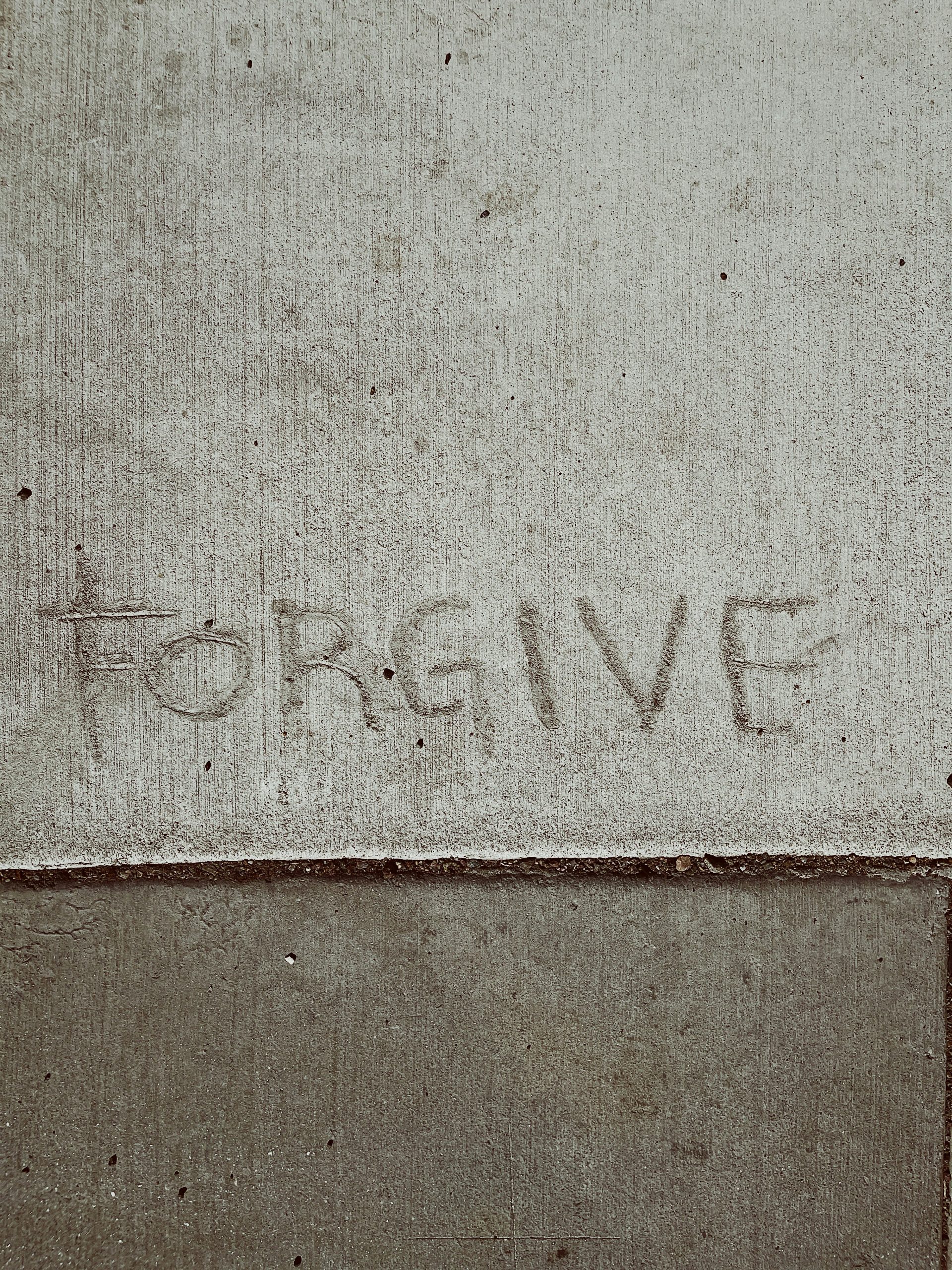
“When I forgave and held no malice toward anyone, I relieved my soul of the anxiety of enmity.” Imam al-Shafi’i [PC: Christopher Stites (unsplash)]
When we fast, we deliberately train ourselves to refrain from retaliation and revenge. We cultivate patience, forbearance, and dignified self-restraint in the face of insult, in accordance with the Prophet’s ﷺ instruction, “If someone insults him or seeks to fight him, let him say: ‘Indeed, I am fasting.’12Al-Bukhārī, Ṣaḥīḥ al-Bukhārī (Dār Ṭawq al-Najjāh, 2002), 3:26 #1904; Muslim ibn al-Ḥajjāj, Ṣaḥīḥ Muslim (Dār Iḥyāʼ al-Kutub al-ʻArabīyah, 1955), 2:807 #1151. Full text at: www.abuaminaelias.com/dailyhadithonline/2011/08/07/virtues-fasting-sawm/” This posture stands in direct opposition to the impulse of malice. Thus, one who truly fasts is actively resisting malice, even if unaware of its formal or academic definition.
In this light, the commentators understood what the Prophet ﷺ meant when he said,
“Shall I tell you what will rid the chest of disturbances? Fasting for three days each month.13Al-Nasā’ī, Sunan al-Nasā’ī (Maktab al-Maṭbūʻāt al-Islāmīyah, 1986), 4:208 #2385; declared authentic (ṣaḥīḥ) by Shaykh al-Albānī in Ṣaḥīḥ al-Jāmi’ al-Ṣaghīr wa Ziyādatihi (al-Maktab al-Islāmī, 1969), 1:509 #2608. Full text at: www.abuaminaelias.com/dailyhadithonline/2019/04/23/fasting-purification-heart/” Imam al-San’ani explained, “Disturbances in the chest, that is, its malevolence, malice, rage, hypocrisy, or intense anger. This [ridding of disturbance] is due to the benefit of fasting.14Al-Ṣanʻānī, Al-Tanwīr Sharḥ al-Jāmi’ al-Ṣaghīr, 7:12.”
The righteous predecessors likewise linked fasting to the treatment of malice, specifically citing the Prophet’s ﷺ description of Ramadan as “the month of patience.15Al-Nasā’ī, Sunan al-Nasā’ī, 4:218 #2408; declared authentic (ṣaḥīḥ) by Shaykh al-Albānī in Ṣaḥīḥ al-Jāmi’, 1:692 #3718. Full text at: www.abuaminaelias.com/dailyhadithonline/2014/07/03/fasting-ramadan-three-days/” Al-Ḥārith al-Hamdānī, may Allah have mercy on him, said, “Fasting the month of patience—Ramadan—and fasting three days each month removes disorders within the chest.” Mujāhid similarly said, “It removes agitation within the chest.” When asked what agitation in the chest is, he replied, “His malevolence.16’Abd al-Razzāq al-Ṣan’ānī, Muṣannaf ’Abd al-Razzāq (al-Maktab al-Islāmī, 1983), 4:298 #7872.” Imam Ibn Baṭṭāl clarified this linguistic connection, explaining, “Agitation in the chest refers to the inflammation of malice and its burning within the heart.17Ibn Baṭṭāl, Sharḥ Ṣaḥīḥ al-Bukhārī (Maktabat al-Rushd Nāshirūn, 2003), 8:42.”
If malice is the node around which Satan gathers his weapons, then patience is the virtue through which Allah dispenses His cures—such as mercy (raḥmah) and sincere goodwill (naṣīḥah).
Healing from the Disease
Malice is a malignant disease at all times of the year, not only during Ramadan, and its cure is not confined to fasting alone. Imam Ibn Qudāmah, citing the great Imam al-Ghazālī, teaches that the general remedy for diseases of the heart is to compel oneself to act in opposition to them.18Ibn Qudāmah al-Maqdisī, Mukhtaṣar Minhāj al-Qāṣidīn (Maktabat Dār al-Bayān, 1978), 1:190. Thus, if a Muslim feels inclined to curse another person, he should instead force himself to pray for that person’s guidance and well-being—however distasteful this may feel to the heart. As Imam al-Ghazālī observed, such remedies are “very bitter to the heart, yet benefit lies in bitter medicine.19Abū Ḥāmid al-Ghazzālī, Iḥyā’ ’Ulūm al-Dīn (Dār al-Maʻrifah, 1980), 3:199.”
Building upon this insight, Shaykh Ṣāliḥ ibn al-Ḥumayd, one of the Imams of al-Masjid al-Ḥarām in Mecca, offers the following counsel:
Whoever is afflicted with the disease of malice must compel himself to behave toward the one he resents in a manner opposite to what his malice demands—replacing censure with praise and arrogance with humility. He should place himself in the other’s position and remember that he himself loves to be treated with gentleness and affection; thus, let him treat others in the same way.20Ṣāliḥ ibn ʿAbd Allāh ibn Ḥumayd, Naḍrat al-Na’īm fī Makārim Akhlāq al-Rasūl al-Karīm (Dār al-Wasīlah lil-Nashr wal-Tawzīʿ, 1998),10/4432
Such, then, is your mission this Ramadan: to enter the month with a heart purified of malice, and to emerge from it fortified against this disease ever taking root again. Strive to place yourself in the position of those you resent, so that you may regard them with empathy and incline your heart toward forgiveness. If nothing else, keep the words of the Messenger of Allah ﷺ ever before your eyes, “Whoever would love to be delivered from Hellfire and admitted into Paradise, let him meet his end with faith in Allah and the Last Day, and let him treat people as he would love to be treated.21Muslim, Ṣaḥīḥ Muslim, 3:1472 #1844.”
Success comes from Allah , and Allah knows best.
Related:
- Using Ramadan To Forgive Those Who Have Hurt Us In The Past
- Purification Of The Self: A Journey That Begins From The Outside-In
Keep supporting MuslimMatters for the sake of Allah
Alhamdulillah, we're at over 850 supporters. Help us get to 900 supporters this month. All it takes is a small gift from a reader like you to keep us going, for just $2 / month.
The Prophet (SAW) has taught us the best of deeds are those that done consistently, even if they are small. Click here to support MuslimMatters with a monthly donation of $2 per month. Set it and collect blessings from Allah (swt) for the khayr you're supporting without thinking about it.





A Case For Critical Reading As Muslims: Reading ‘The Power of Your Subconscious Mind’ Through An Islamic Lens

Far Away [Part 31] – Following Your Lead

When A Place Teaches You What Softness Is Not

[Podcast] Wait, Muslims Have Been Here HOW Long?! | Hassam Munir
Far Away [Part 30] – The Rock Splitter And The Parthian Shot

When The Shaykh Never Spoke – Deepfakes, Synthetic Scholars, And The Coming Crisis Of Religious Trust

[Podcast] Faith, Motherhood, and the Call to Gaza | Dr. Samaiya Mushtaq

The Stirring Of A Muslim Population In Japan: The Story Of Yusuke Fujitani

CAGE, Muslim Leadership, And Imran Khan: The Silence Test

Is It Ever Too Early To Prepare For Ramadan? Reflections On Rifq, Forgiveness, And Healing The Heart

The Best Actions for Eid al-Adha [Imam Dawud Walid]

Coming Full Circle: Who Are You Now? | Night 30 with the Qur’an

Running Away From Who We Are | Night 29 with the Qur’an

Building From the Ground Up: Week 4 Recap | Night 28 with the Qur’an

The Muslim You Are Becoming | Night 27 with the Qur’an
MuslimMatters NewsLetter in Your Inbox

Sign up below to get started
-

 #Culture1 month ago
Far Away [Part 26] – Shaytan Is A Liar
-
#Life1 month ago
[Podcast] 50k Mahr, Hiding Money, & Who Pays for the Wedding? | AML Finance
-
#Life2 weeks ago
When The Shaykh Never Spoke – Deepfakes, Synthetic Scholars, And The Coming Crisis Of Religious Trust
-
#Current Affairs1 month ago
Long War Without End: A Quarter-Century Since The War On Terror