
#Islam
When Ramadan Arrives To Heal What Life Has Broken
Ramadan arrives not only for the strong, but for the weary and broken—offering healing, mercy, and a path back to Allah.

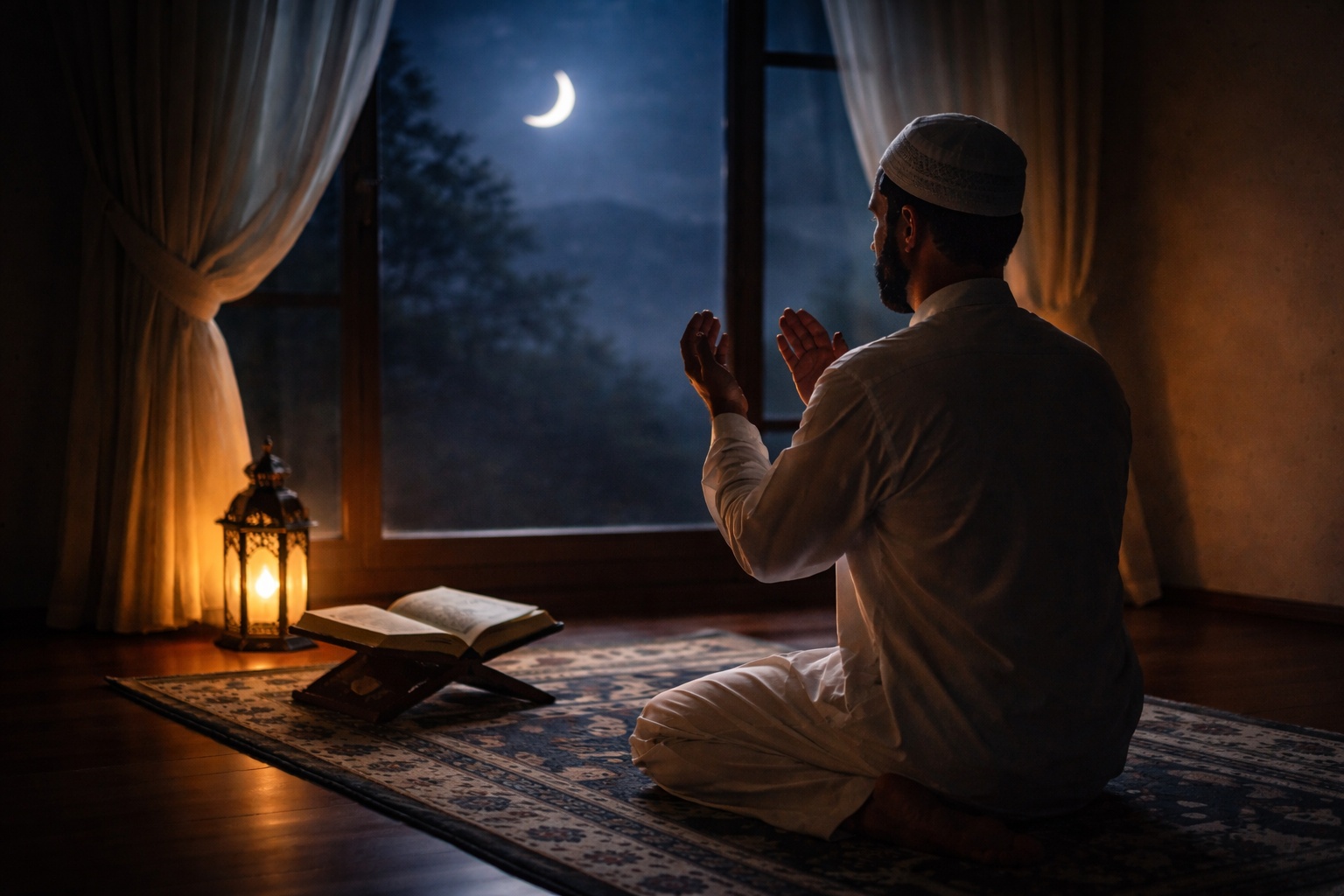
Some people enter Ramadan with excitement, surrounded by community, family, and familiar rituals. Others enter it carrying fractures — the kind life leaves behind when responsibilities are heavy, relationships are strained, or the heart has been quietly breaking for far too long.
For many believers, Ramadan does not enter a life that is whole. It arrives into exhaustion. Into loneliness. Into grief that has been waiting for a place to land. Into a heart that has been whispering, “Ya Allah, I don’t know how much more I can hold.”
And yet… Allah  chooses this month as a mercy.
Keep supporting MuslimMatters for the sake of Allah
Alhamdulillah, we're at over 850 supporters. Help us get to 900 supporters this month. All it takes is a small gift from a reader like you to keep us going, for just $2 / month.
The Prophet (SAW) has taught us the best of deeds are those that done consistently, even if they are small. Click here to support MuslimMatters with a monthly donation of $2 per month. Set it and collect blessings from Allah (swt) for the khayr you're supporting without thinking about it.
In the Qur’an, He tells us:
“Allah intends for you ease, and He does not intend for you hardship.” [Surah Al-Baqarah; 2:185]
This verse is not simply about fasting — it is about the nature of Ramadan itself. Ramadan is ease wrapped in discipline. Healing wrapped in worship. A divine pause in the middle of a life that often feels relentless.
Because Ramadan does not ask you to be whole before you enter it. It asks you to show up — even if you are limping.
Ramadan Heals in Ways People Cannot
There are wounds people don’t see. There are burdens you carry quietly because you don’t want to be a source of worry. There are disappointments you’ve swallowed so many times that you’ve forgotten what it feels like to breathe without tension.
Ramadan meets you there.
When you wake up for suhoor half-asleep and weary, Allah sees it. When you drag your tired body to pray, even with a heart that feels numb, Allah counts it. When you whisper du‘ā’ with a voice that trembles, the angels lift it.
Ramadan is not a month of perfection — it is a month of return.
The Qur’an as a Medicine for the Fractured Heart
Allah calls the Qur’an:
“O mankind, there has to come to you instruction from your Lord and healing for what is in the breasts and guidance and mercy for the believers.” [Surah Yunus; 10:57]
Not a healing for the body. Not a healing for circumstances. A healing for the heart — the place where disappointment, fear, and longing live.
This is why Ramadan feels different. It is the month where the Qur’an descends again into the cracks of your life, filling them with light you didn’t know you still had access to. This happens not magically, but through action: reciting the Quran in salat and out of it, learning it, and putting it into practice.
The Du‘ā’ of the Broken but Believing
There is a du‘ā’ that belongs to those who feel overwhelmed, stretched thin, or quietly hurting:
“And [mention] Zechariah, when he called to his Lord, ‘My Lord, do not leave me childless, while you are the best of inheritors.” [Surah Al-Anbiya; 21:89]
It is the du‘ā’ of a prophet who felt isolated. It is the du‘ā’ of someone who had lost almost everything. It is the du‘ā’ of someone who still believed Allah would answer.
This Ramadan, let it be your du‘ā’ too.
Ramadan Arrives to Remind You: You Are Not Forsaken
Life may have broken things inside you — but Ramadan comes to gather the pieces.
It comes to soften what has hardened. To soothe what has been aching. To remind you that Allah has never stopped watching over you, even in the moments you felt most alone.
So if you enter this month tired, hurting, or uncertain, know this:
Ramadan is not asking you to be strong. Ramadan is asking you to be sincere.
Let this be the month where you let Allah heal what life has worn down. Let this be the month where you learn to breathe again. Let this be the month where you discover that even broken hearts can glow in the presence of God.
And may you leave Ramadan with a heart that feels held, softened, and gently restored — not because life became easier, but because Allah drew you closer.
Related:
I Can’t Feel Anything in Prayer – Understanding Spiritual Dryness | Night 16 with the Qur’an
Keep supporting MuslimMatters for the sake of Allah
Alhamdulillah, we're at over 850 supporters. Help us get to 900 supporters this month. All it takes is a small gift from a reader like you to keep us going, for just $2 / month.
The Prophet (SAW) has taught us the best of deeds are those that done consistently, even if they are small. Click here to support MuslimMatters with a monthly donation of $2 per month. Set it and collect blessings from Allah (swt) for the khayr you're supporting without thinking about it.




Widening Wars Leave the Middle East in Shambles

15 Things You Didn’t Know About Makkah and the Ka’bah [Part 1]

Eid Mubarak from MuslimMatters

Selamat Hari Raya! – Celebrating Eid In Malaysia

AL-AQSA IS CLOSED

[Podcast] Ramadan Is Not For Your Private Spirituality | Dr Farah El-Sharif

Ramadan, Disability, And Emergency Preparedness: How The Month Of Mercy Can Prepare Us Before Communal Calamity

She Cried At The Door Of The Masjid: A Case For Children In Mosques

When to Walk Away from Toxic Friends | Night 9 with the Qur’an

I Can’t Stop Thinking About Someone | Night 10 with the Qur’an

Coming Full Circle: Who Are You Now? | Night 30 with the Qur’an

Running Away From Who We Are | Night 29 with the Qur’an

Building From the Ground Up: Week 4 Recap | Night 28 with the Qur’an

The Muslim You Are Becoming | Night 27 with the Qur’an

What Will You Leave Behind? Legacy in Islam | Night 25 with the Qur’an
MuslimMatters NewsLetter in Your Inbox

Sign up below to get started
-

 #Islam1 month ago
30 Nights with the Qur’an: A Ramadan Series for Muslim Teens
-
#Current Affairs1 month ago
An Unending Grief: Uyghurs And Ramadan Under Chinese Occupation
-
#Society1 month ago
Where Does Your Dollar Go? – How We Can Avoid Another Beydoun Controversy
-
#Current Affairs3 weeks ago
[Podcast] Ramadan Is Not For Your Private Spirituality | Dr Farah El-Sharif


