
The Supplication Series
Ramadan Duaa Series: The Greatest Delight

Gateway to all Ramadan related posts on MM
Bismillah
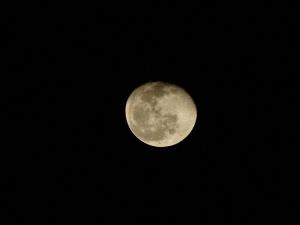 “The supplication of every one of you will be granted if he does not get impatient.” [Bukhari and Muslim]
Keep supporting MuslimMatters for the sake of Allah
Alhamdulillah, we're at over 850 supporters. Help us get to 900 supporters this month. All it takes is a small gift from a reader like you to keep us going, for just $2 / month.
The Prophet (SAW) has taught us the best of deeds are those that done consistently, even if they are small. Click here to support MuslimMatters with a monthly donation of $2 per month. Set it and collect blessings from Allah (swt) for the khayr you're supporting without thinking about it.
One of the most beautiful avenues of communication with our Creator is through the avenue of duaa. We are all aware of the technicalities of duaa but do we ever reflect over the concept itself? Duaa is a mercy, a gift given to us by Allah subhanahu wa ta’ala; can you imagine anyone in a position of authority wanting to reward you for asking anything of them so that they can grant it?
It is indeed an undervalued possession and an underestimated weapon, and if ever we were to take the full advantage of this ni’mah we would realize its true essence, which is coming closer to our Rabb.
For this blessed month of Ramadan, I will be sharing an authentic duaa every week inshaAllah. These posts will include a recording of the duaa for memorization purposes, a word for word translation, brief analysis and benefits we can gain from the duaa.
The first duaa is one that pertains to our aakhirah; specifically asking for the greatest pleasure one can ever receive, the opportunity to see Allah azza wa jal.
The Prophet of Allah sal Allahu alayhi wa sallam narrated, “When those deserving of Paradise would enter Paradise, the Blessed and the Exalted would ask: Do you wish Me to give you anything more? They would say: Have You not brightened our faces? Have You not entered us into Paradise and saved us from Fire? He (the narrator) said: He (Allah) would lift the veil, and of things given to them nothing would be dearer to them than the sight of their Lord, the Mighty and the Glorious.” [Saheeh Muslim]
The Prophet sal Allahu alayhi wa sallam narrated this duaa in a hadeeth in Sunan an-Nisaa’i (authenticated by Shaykh Albaani):
اللَّهُمَّ إِنِّي أَسْأَلُكَ لَذَّةَ النَّظَرِ إِلَى وَجْهِكَ وَالشَّوْقَ إِلَى لِقَائِكَ
Allahumma Innī As’aluka Ladhdhata an-Naẓari ilā Wajhika wash Shawqa ilā Liqā’ik
O Allah, I ask You for the delight of gazing at Your Countenance and the eagerness of meeting You.
Word for Word Translation and Analysis
Allahumma: O Allah. Allahumma is a combination of: Ya and Allah. Instead of using a “ya” in the front to call upon Allah, the “meem” is added at the end. “Allahumma” is unique with the Name of Allah, it is not bound by this rule of using the “ya”. This rule does not appear anywhere or with anyone else, even in pre-Islamic poetry. When we say “Allahumma” we are affirming and emphasizing the uniqueness of our Lord; He does not even share a duaa with His creation subhanahu wa ta’ala, as well as incorporating all of the Names and Attributes of Allah ta’ala.
Innī: indeed I. Innī is a combination of ‘inna’ (indeed, a word for emphasis) and “ni” (I)
As’aluka: I ask You.
Ladhdhaħ: Sweetness, delight, pleasure. Ladhdhaħ comes from the root which means something that pleases a person, satisfies their senses and has no harm in it.
an-Naẓri: The look. “Naẓara ilā”, such as in this duaa, means to look or gaze to something/someone. Allah ta’ala says in surah Qiyaamah ayah 23:
إِلَىٰ رَبِّهَا نَاظِرَةٌ
They (faces) will be looking to their Lord.
ilā: to/towards
Wajhika: Your Countenance. Wajh means face but also carries the meaning of the whole self/being in Arabic. For example, Allah ta’ala says in surah Baqarah ayah 112:
مَنْ أَسْلَمَ وَجْهَهُ لِلَّهِ وَهُوَ مُحْسِنٌ فَلَهُ أَجْرُهُ عِندَ رَبِّهِ وَلَا خَوْفٌ عَلَيْهِمْ وَلَا هُمْ يَحْزَنُونَ
Whoever submits His whole self (wajhahu) to Allah and is a doer of good,- He will get his reward with his Lord; on such shall be no fear, nor shall they grieve.
wa: and
ash-Shawqa: Longing, eagerness. Shawq is a strong desire in one’s nafs for something.
ilā: to/towards
Liqā’ik: Your meeting. Laqiya means to meet or an occurance.
Memorize this duaa using this audio: [audio:http://muslimmatters.org/audio/dua/5.mp3]
Download here. (May Allah ta’ala reward our brother for recording these, Ameen)
Points of Benefit
- By asking Allah azza wa jal for the opportunity to see Him, we are indirectly also asking for Jannah. The scholars state that one of the worst punishments of the people of Hell-Fire is being abandoned by Allah ta’ala and not being able to see Him.
- Many times when we think of Jannah, we think of the mansions, the rivers, the hoor, the fruits, golden goblets and cups, but we forget that having the opportunity to see Allah azza wa jal is greater than all of these bounties. Allah azza wa jal praises the believers for worshipping Him “bil ghayb”, in the unseen, and in the aakhirah Allah will reward them for this with seeing Him.The believers will enjoy seeing Allah azza wa jal and it will be the most beloved thing they will receive in Jannah. May Allah make you and I among them.
- The Prophet sal Allahu alayhi wa sallam told us in many narrations that the Believers will see Allah ta’ala with their own eyes as clearly as they can see the sun and moon. Abu Hurayrah mentioned that some people said, “O Messenger of Allah! Will we see our Lord on the Day of Judgment?” The Prophet sal Allahu alayhi wa sallam said, “Are you harmed by seeing the sun and the moon when there are no clouds beneath them?” They replied, “No.” The Prophet sal Allahu alayhi wa sallam then said, “Then you will surely see your Lord like that.” [Bukhari and Muslim] In another hadeeth, Jabir radi Allahu anhu narrated, “The Messenger of Allah looked at the moon on a night when it was full, and he said, Verily, you will see your Lord just as you see this moon! So if you are able to avoid missing a prayer before the rising of the sun (Fajr prayer) or before its setting (Asr prayer) then do so. [Bukhari and Muslim]
- Wanting to meet Allah does not mean you don’t fear death. The Prophet sal Allahu alayhi wa sallam said, “Whoever loves to meet Allah, Allah loves to meet him and whoever hates to meet Allah, Allah hates to meet him”. ‘Aisha, or some of the wives of the Prophet said, “But we dislike death.” He said: It is not like this, but it is meant that when the time of the death of a believer approaches, he receives the good news of Allah’s pleasure with him and His blessings upon him, and so at that time nothing is dearer to him than what is in front of him. He therefore loves the meeting with Allah, and Allah loves the meeting with him. But when the time of the death of a disbeliever approaches, he receives the evil news of Allah’s torment and His Requital, whereupon nothing is more hateful to him than what is before him. Therefore, he hates the meeting with Allah, and Allah too, hates the meeting with him.” [Saheeh Bukhari]
May Allah ta’ala bless us with the delight of gazing upon Him, make our best deeds our last, and make the best day of ours the day that we meet Him ta’ala. Ameen.
Keep supporting MuslimMatters for the sake of Allah
Alhamdulillah, we're at over 850 supporters. Help us get to 900 supporters this month. All it takes is a small gift from a reader like you to keep us going, for just $2 / month.
The Prophet (SAW) has taught us the best of deeds are those that done consistently, even if they are small. Click here to support MuslimMatters with a monthly donation of $2 per month. Set it and collect blessings from Allah (swt) for the khayr you're supporting without thinking about it.



[Podcast] Palestine in Our Hearts: Eid al-Fitr 1445 AH

Foreign Affairs Official Resigns Over Gaza Genocide

A Ramadan Quran Journal: A MuslimMatters Series – [Juz 30] Solace For The Sincere And Vulnerable

IOK Ramadan: The Importance of Spiritual Purification | Keys To The Divine Compass [Ep30]
IOK Ramadan: The Power of Prayer | Keys To The Divine Compass [Ep29]

IOK Ramadan: 7 Qualities of Highly Effective Believers | Keys To The Divine Compass [Ep18]
IOK Ramadan: Choose Wisely | Keys To The Divine Compass [Ep15]
IOK Ramadan: Shake the Trunk of the Tree | Keys To The Divine Compass [Ep16]
IOK Ramadan: Appreciating the Prophet ﷺ | Keys To The Divine Compass [Ep22]
IOK Ramadan: Good and Bad are Tests from Allah | Keys To The Divine Compass [Ep17]
IOK Ramadan: The Importance of Spiritual Purification | Keys To The Divine Compass [Ep30]
IOK Ramadan: The Power of Prayer | Keys To The Divine Compass [Ep29]
IOK Ramadan: The Weight of the Qur’an | Keys To The Divine Compass [Ep28]
IOK Ramadan: Families of Faith | Keys To The Divine Compass [Ep27]
IOK Ramadan: Humility in Front of the Messenger | Keys To The Divine Compass [Ep26]
-

 #Islam2 weeks ago
IOK Ramadan: 7 Qualities of Highly Effective Believers | Keys To The Divine Compass [Ep18]
-
#Islam2 weeks ago
IOK Ramadan: Choose Wisely | Keys To The Divine Compass [Ep15]
-
#Islam2 weeks ago
IOK Ramadan: Shake the Trunk of the Tree | Keys To The Divine Compass [Ep16]
-
#Islam2 weeks ago
IOK Ramadan: Good and Bad are Tests from Allah | Keys To The Divine Compass [Ep17]
Amatullah
August 27, 2009 at 12:04 AM
This is the first time I’m doing something like this so any feedback would be helpful :)
Would you be interested in continuing this series and learning more duaas? I’ve specifically selected duaas that are not well known to us but are authentic.
Jazaakum Allahu khayran – May Allah guide us to what pleases Him. Ameen.
Also there is another narration that states a longer version of this duaa adding:
ÙÙÙŠ غَيْر٠ضَرَّاءَ Ù…ÙضÙرَّة٠وَلَا ÙÙتْنَة٠مÙضÙلَّةÙ
“without any harm and misleading trials befalling me”inshaAllah I will try and have the resources up for those who would like to memorize the full duaa.
AbooYazid
August 27, 2009 at 12:48 AM
As Salaamu alaykum
Jazak Allah Khair yes do more please
Sh
August 27, 2009 at 11:41 AM
Jazakallahu Khayir!! I found the word by word translation VERY helpful. Due to this, I memorized it right away along with the meaning. May Allah sWT reward you with seeing his face and the pleasure of meeting him. Ameen!!!
Abdullah
August 27, 2009 at 11:58 AM
Asalamu Alaykum Amatullah,
This is a very good initiative :) , baraka’Allah feek wa jazak’Allah khayr, and I encourage you to continue it.
If it continues, it would also be nice to see some of the duas of the muslim nations before us, may Allah be pleased with them, and the Anbiyyah, that are in the Quran but may be less known or less used by a large number of people.
Can’t think of anything else, but if something comes up will let you know insha’Allah :) And Ameen, to the duas for us all and all the Muslims!
Asalamu Alaykum
Dawud Israel
August 28, 2009 at 8:50 AM
Please continue to spread the khayr.
Don’t limit it to authentic duas, because duas don’t require authenticity…just their own spiritual weight in front of Allah. So please also look at duas from the Salaf and other great teachers of our deen- not just our Nabi salallahu alayhi wasalam.
Jazaka Allahu khayr
Baraka Allahu feek.
Abu Yazid
August 29, 2009 at 9:50 AM
Naw stick with the Messengers sallallahu alayhi wa sallam dua for now
Douglas Kelly
August 28, 2009 at 4:31 PM
Yes! Please do more. I am barely 3 years into my Deen and I’m not a native Arabic speaker. So while I’ve struggled to learn the short surahs of the Qur’an for my salat, the only actual du’a I know in Arabic is Allahummaghfirli warhamni. (inshaAllah, I got it right. I had to learn it from a book and am a bit shaky on the pronunciation).
Your word-for-word translation plus the audio is priceless (ameen to “Sh”). May Allah (swt) grant you the best of rewards in this world as well as in the Hereafter for making our Deen easy for us to learn.
sister in deen
August 29, 2009 at 4:38 PM
assalamualykum brother,
http://www.alhudapk.com/reading-material/duas/qurani/default.asp
http://www.alhudapk.com/reading-material/duas/masnoon_dua/default.asp
salaam.
Right here
August 28, 2009 at 4:50 PM
Oh yes, please! Jazakallahu Khair!
aarij
August 29, 2009 at 1:33 PM
Masha Allah, this is an excellent series! Please continue even after Ramadan.
SeeFA
August 30, 2009 at 7:58 PM
Salaam, I thought this article was mA thoughtful, relevant and incredibly useful. I never write on these forums and I wanted to say that this article was much appreciated and it would be great if you could continue this in a series. Thank you.
LivingHalal
August 27, 2009 at 1:27 AM
InshaAllah, with such series more Muslims will start to understand the meanings of their Duas when they say, “Ameen, Ameen.”
Arif
August 27, 2009 at 1:45 AM
SubhanAllah…Is Ladhdhaħ confined to the Hereafter or can it be found in this world too? Because I thought that overindulgence in anything is bad, but it says there ‘is no harm in it’. Could you please explain?
Amatullah
August 27, 2009 at 2:15 AM
That is the definition that I found in the lexicon. One of the examples that was given was food, some foods are very pleasurable and they don’t cause any harm (ie, they are healthy).
Specifically in the Qur’an, Allah ta’ala describes the drinks of Jannah and ladhdhatan lish-shaaribeen, delicious to the drinkers. (Surah Saffaat and Surah Muhammad) Those are the only occurrences in the Qur’an.
Allah knows best, inshaAllah someone who has more knowledge of the language can comment…But this is what I found in the lexicon.
Faizan
August 27, 2009 at 1:52 AM
Assalamu Alaykum,
The last paragraph about death was amazing. SubhanAllah, I wish to meet Allah azza wa jal. I want to die upon that good news of Allah’s pleasure with me and His blessings upon me, ameen.
AbdulNasir Jangda
August 27, 2009 at 2:00 AM
MashaAllah great post!
Amatullah
August 27, 2009 at 2:09 AM
jazaak Allahu khayran Ustadh, used what we learned from Meaningful Prayer :)
'Uthmaan
August 27, 2009 at 5:17 AM
JazakAllahu Khayran for the amazing post!
Humaira
August 27, 2009 at 7:12 AM
Jazakallah so much for this beautiful and useful Dua.
Please continue the series.
ummifawaz
August 27, 2009 at 8:20 AM
assalamualykum warahemutullahee sr.Amatullah,
Jazakillahu khairaa for sharing such a wonderful dua. Subahanallah.What a wonderful meeting it will be!!.Inshaallah I will try to read this dua during iftaar .Looking forward for the next dua.
salaam.
abu abdAllah Tariq Ahmed
August 27, 2009 at 8:43 AM
Jazak Allah khayr for this series. In these ten days of Mercy, the hope of seeing the Face of Allah is a blessing in itself. There were Muslims who, when the wonders of Jannat were explained to them, would become so ecstatic, their conviction, their yaqeen, in Jannat so true, that their emotion literally overcame them, and they died in that state of joy. Allaho Akbar.
May Allah forgive us our mistakes and shortcomings, and from His Mercy grant us Jannat al Firdaus without questioning in the hereafter. May He grant us that supreme joy of seeing Him. Ameen.
Z
August 27, 2009 at 1:39 PM
Jazak Allah! Awesome post!
FearAllah
August 27, 2009 at 5:26 PM
BarakAllahu feeki for teaching us this du’aa! May Allah not decrease your rewards in the least, Ameen :)
Can’t wait for more insha’Allah…
Liyana
August 27, 2009 at 5:41 PM
As salaam alaikum wa rahmatullah,
I think that this would be an amazing series, especially for Ramadhan. And im most definitely benefiting from this. Alhamdulillah.
Also i was wondering about the authenticity of these 30 dua’s for everyday of Ramadan. (just google it) I’ve somewhat heard abt it a long time back and recently it came to my attention.
Jazzak Allahu khairan.
Miss you!
AS
August 27, 2009 at 6:10 PM
Jazaks!! This was an amazing post, each and every part of it, subhannAllah!! Looking forward to more! ^.^
Amatullah
August 27, 2009 at 6:16 PM
wa iyyakum, alhamdulillah. Jazakum Allahu khayran for the duaa and kind comments, may Allah azza wa jal grant you all the best, Ameen.
Liyana: I miss you too :) I hope you’re doing well. So I googled that 30 day duaa thing, and Allah knows best, I’ve never heard of any of those duaas in the sunnah.
ummifawaz
August 28, 2009 at 8:15 AM
Assalamualykum sister,
I got a ramadan dua booklet in mail and it has 30 duas to read daily during the month of ramadan.If this is biddah ,please inform me.
Jazakillahu khairaa.
Amatullah
August 29, 2009 at 9:54 AM
wa alaykum salam wa rahmatullah sister,
I cannot say if it is bid’ah or not, please ask an Imam or local scholar in your area. I just haven’t heard of those duaas in the sunnah. Allah knows best.
Mercy
August 27, 2009 at 6:34 PM
Assalama ‘Alaykum Wa Rahmatullahi Wa Barakatuhu,
JaazaakiAllah Khayr Amatullah for the post! Truly, dua is the weapon of the believer and the fortress of the muslim, you just can’t accumulate/memorize enough of this amazing stuff. I ask Allah Azza wa jala to make us of those whom He bestows His mercy upon, and who He answers the duas of.
Wa’alaykuma Salam Wa Rahmatullahi Wa Barakatuhu,
Mercy
jenan99
August 27, 2009 at 7:15 PM
please continue the series..love that duaa very beautiful
AsiahKe
August 27, 2009 at 8:19 PM
Jazakum Allahu khairn.
Great series! Love the breakdown and especially the audio. Inshallah there will be no excuses not to memorize it.
Salaams!
Abu Tawus
August 28, 2009 at 12:27 AM
Brilliant job, Amatullah–absolutely brilliant!
A Sister
August 28, 2009 at 3:31 AM
Ameen to the dua… BarakaAllahu Laki Sr. Amatullah
ayesha
August 28, 2009 at 5:56 AM
barakallhufeeki..May Allah accept all your siyaam,duas and qiyam…highly appreciated!!!!.
…i think it would be nice if you could continue with the full version of this dua(jus amazing!!!)….apart from reading this dua jus befor iftar or in sajdah e.t.c…..this dua could also be read in the final tashahud as mentioned in hisn -al- muslim…
Juli
August 28, 2009 at 10:56 AM
amatullah..oh yes yes..more please..jazakillah khair! word analysis is my fav.
MBloggerer
August 28, 2009 at 12:12 PM
that was beautiful, jazakillahu khayran amatullah. please continue to spread this goodness and we ask Allah ta’ala to accept from you.
Mirza
August 28, 2009 at 10:41 PM
Masha Allah. This post was very practical and indeed beneficial.
A wonderful initiative.
I will share with fellow Muslims in my country.
muslimah
August 29, 2009 at 6:00 AM
jazakAllah kheir! i’ts awesome mashaAllah. i just did this with my mom! :)
Pingback: The Greatest Delight « Fesabilillah
umm_Khaalid
August 30, 2009 at 4:50 AM
Jazakillahu khair ya ukhti filla!!!
May Allah accept this effort form you and reward you Well. And may he make all of of us amongst those who will be granted the honor of seeing his face in jannah…Allahumma ameen.
Can I share this with other too? I will put reference of course :)
wassalam
Amatullah
August 30, 2009 at 5:04 AM
wa iyyaki, Ameen.
Please share it inshaAllah :) This series is meant to reach as many Muslims as possible so get some reward by sharing it with others inshaAllah! The Prophet sal Allahu alayhi wa sallam said, “Whoever guides anyone to goodness, his reward shall be the same as those who follow his guidance without lessening a bit of their reward.â€
Ghurabaa
September 2, 2009 at 1:35 AM
Jazakillahu khayr sis. With your permission, I’ll do the same then. Let the ajar multiply inshaALlah.
Amatullah
August 30, 2009 at 5:34 AM
Jazaakum Allahu khayran for all of the kind comments and feedback. May Allah grant us all the pleasure of gazing upon His Face, Ameen.
InshaAllah I will continue the series through Ramadan, with 3 duaas for the last 10 days, and I’m making the intention to continue after Ramadan as well inshaAllah :)
Look out this Thursday for two duaas on gaining Allah’s Love and asking for complete success inshaAllah.
Sadaf Farooqi
August 30, 2009 at 11:28 PM
This is the most beautiful du’aa, asking for something that, I think, is even better than Jannah.
And beautifully explained, masha’Allah. May Allah reward you for bringing tears to my eyes as I read the explanation of how the entrants of Jannah will see Allah’s face when He removes His veil, and how when a believer dies, he can’t wait to get to what awaits him thereupon – meeting the One he loves.
May Allah make you one of them!
Ameen.
Sister
September 1, 2009 at 3:01 AM
This is so awesome! Masha’Allah the beautiful dua, translation, audio…. just what I needed.
I do have one question:
Can this be read during Salah in Sujood?
um Jannah
September 3, 2009 at 6:17 PM
of course, every dua can be read during Sujood.
Amatullah
September 4, 2009 at 11:14 AM
sorry I didn’t see your comment sister.
Yes inshaAllah you can recite this in sujood! Best time to recite it :)
um Jannah
September 3, 2009 at 6:14 PM
Thank u for this amazing effort. May Allah help u .
umm_Khaalid
September 6, 2009 at 3:02 AM
Salam sis…just want to know: How do I embed the audio to my blogpost the way you have it here?
Amatullah
September 6, 2009 at 12:35 PM
wa alaykum salam wa rahmatullah
oh…I have no idea :) One of our tech brothers did it, inshaAllah i will ask them and get back to you.
For the time being, you can link to the audio inshaAllah.
ummifawaz
September 8, 2009 at 7:41 AM
Assalamualykum sis,
Still waiting for the next dua?? Indeed Allah is with people who have sabr!!!
salaam.
Amatullah
September 8, 2009 at 7:34 PM
wa alaykum salam wa rahmatullah
don’t worry sister, inshaAllah we’ll have 3 duaas this week :)
2 coming up tomorrow inshaAllah.
Pingback: [Conclusion] Ramadan Duaa Series: Seeking the Forgiveness of Allah | MuslimMatters.org
Pingback: [Conclusion] Ramadan Duaa Series: Seeking the Forgiveness of Allah | allah.eu
Pingback: Ramadan Duaa Series: Best of Both Worlds | allah.eu
Pingback: The Supplication Series: Beneficial Knowledge | allah.eu